
Align Home Projects with Your Social Values

Values-based home improvement is defined as the practice of choosing materials, contractors, and design decisions that honor environmental stewardship, fair labor, and community impact at every stage of a project. Homeowners who align home projects with social values report benefits that go beyond aesthetics: lower energy bills, stronger community ties, and a home that reflects who they actually are. Conscious home design has shifted from a niche preference to a measurable standard, with certifications like FSC-certified wood, ENERGY STAR, and LEED providing concrete benchmarks. The difference between a values-aligned renovation and a conventional one is not philosophy. It is a series of specific, repeatable choices.
How to align home projects with social values: the foundation
Before you pick a paint color or call a contractor, you need a clear picture of what you actually value. Social sustainability in residential design covers six dimensions: material origin, energy use, water management, waste reduction, indoor air quality, and social impact. Most homeowners focus on the first two and skip the last one entirely. That gap is where the most meaningful work happens.
Start by listing your top three priorities. For some families, it is reducing carbon footprint. For others, it is supporting local workers or avoiding products made with exploitative labor. Once you name your priorities, you can match them to specific tools and certifications.
The table below compares the most widely recognized certifications and what each one actually measures:
Certification | What it covers | Social impact indicator |
FSC (Forest Stewardship Council) | Responsible forest management | Chain-of-custody for wood products |
ENERGY STAR | Appliance and building energy efficiency | Reduced household energy costs |
LEED (Leadership in Energy and Environmental Design) | Whole-building sustainability | Community and site impact |
PHIUS (Passive House Institute US) | Building envelope performance | Occupant health and comfort |
Fair Trade Certified | Supply chain labor standards | Artisan wages and working conditions |
Pro Tip: Use this table as a checklist during the planning phase. If a product or contractor cannot point to at least one of these standards, ask why before signing anything.
Resources like fair trade artisan cooperatives and cooperative sourcing networks give you direct access to products with verified social credentials. Certified high-performance homes can capture over 80% of certification-level value simply by applying recognized criteria during the design phase, without paying full certification fees. That means you do not need a massive budget to make a meaningful difference.
How to choose materials that reflect your social values
Material selection is where your values either show up or disappear. FSC-certified wood guarantees that the lumber in your floors, cabinets, or framing came from responsibly managed forests with verified chain-of-custody documentation. For appliances, 5-star BEE-rated or ENERGY STAR equivalents capture over 80% of the sustainability value available at the certification level, making them the single highest-leverage product swap most homeowners can make.
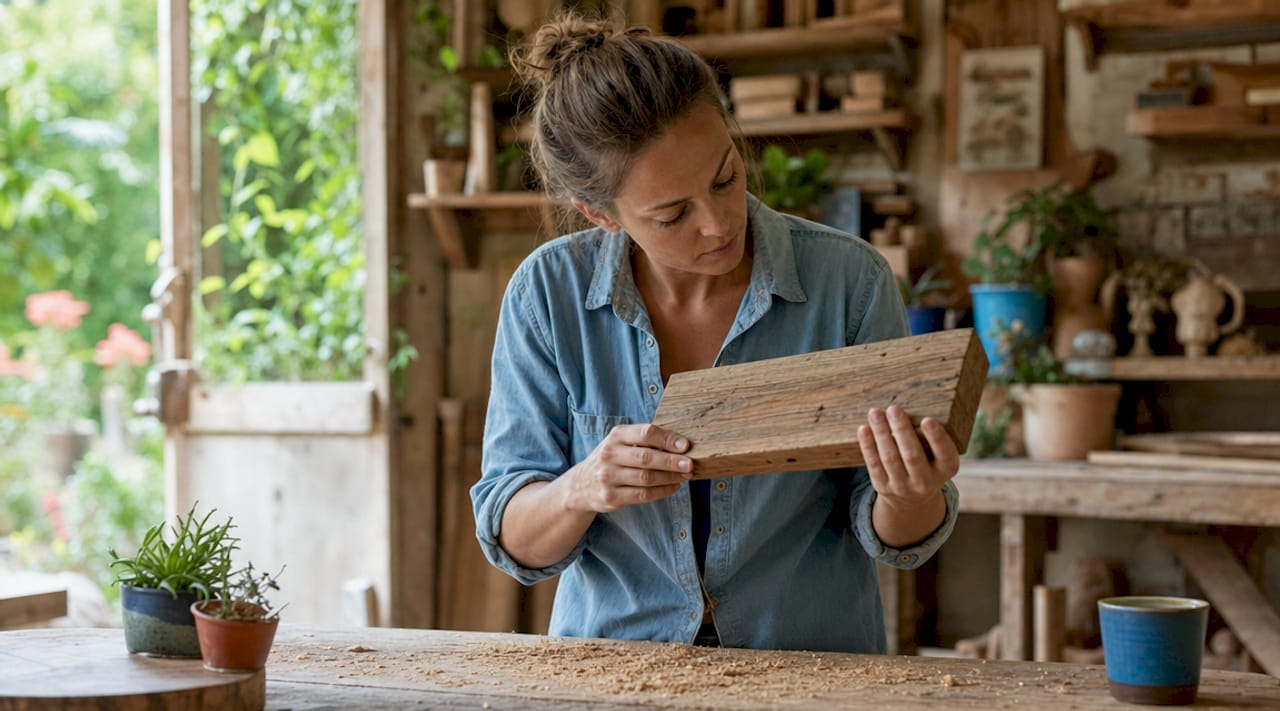
Beyond certifications, the origin of a product matters. Furniture and textiles sourced from women-led cooperatives or fair-wage workshops carry a social story that mass-produced alternatives cannot replicate. Buying direct from these sources also prevents the exploitation that happens when middlemen compress margins to the point where artisans earn below minimum wage.
The comparison below shows how common material choices stack up across cost, environmental impact, and social value:
Material | Cost tier | Environmental impact | Social value |
FSC-certified hardwood | Medium | Low (responsible sourcing) | High (chain-of-custody verified) |
Conventional imported lumber | Low | High (unverified origin) | Low (no labor standards) |
Timber HP wood-fiber insulation | Medium-high | Very low (low embodied carbon) | Medium (specialty supply chain) |
Mass-produced synthetic flooring | Low | High (petrochemical base) | Low (opaque labor conditions) |
Artisan-made ceramic tile | High | Low (local, durable) | Very high (direct artisan income) |
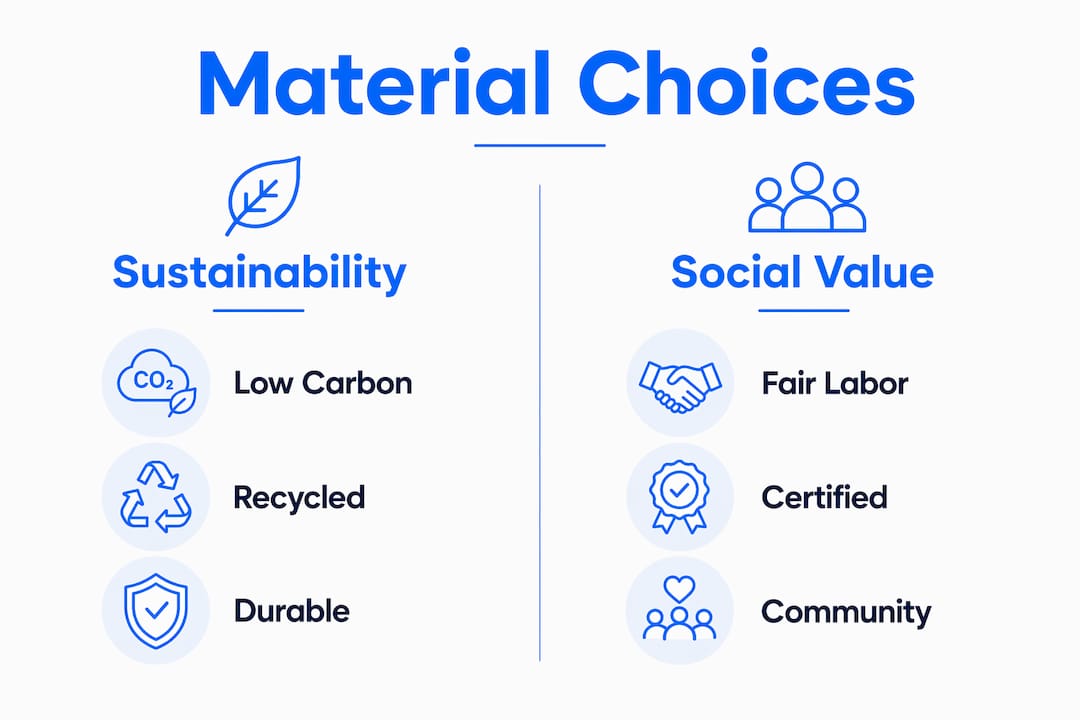
High-performance building materials like Timber HP wood-fiber insulation create durable, low-carbon building envelopes without relying on concrete or foam. These materials age well, reduce long-term maintenance costs, and support a supply chain that prioritizes environmental accountability.
Pro Tip: Pay the price artisans ask without bargaining. Bargaining down artisans forces sub-minimum wage margins and directly undermines the social sustainability you are trying to support. The difference between their asking price and a discounted price is often less than $50 on a single piece. That $50 is their livelihood.
What practical steps improve energy efficiency in home projects?
Energy efficiency is the most measurable dimension of eco-friendly home projects, and the numbers are specific enough to plan around. LEDs consume at least 75% less energy and last up to 25 times longer than incandescent bulbs. Replacing every bulb in a three-bedroom home with LEDs typically pays back the cost within 18 months through reduced electricity bills.
Beyond lighting, the building envelope determines how much energy your home wastes before you even turn on an appliance. Here are the highest-impact upgrades in order of return:
LED lighting throughout: Replace all incandescent and halogen fixtures first. The payback period is short and the impact is immediate.
Triple-pane or double-pane windows: Reduce heat transfer significantly, especially in climates with extreme summers or winters.
Passive solar design: South-facing windows with four-foot overhangs prevent overheating in summer while allowing winter sun to warm interior spaces naturally.
Automated external shading: Temperature-sensor-triggered shading maintains indoor temperature at 26°C during 40°C outdoor heat, a 14-degree difference that eliminates the need for air conditioning in many climates.
Induction cooktops: Faster, safer, and more energy-efficient than gas or conventional electric ranges, with no combustion byproducts affecting indoor air quality.
Sustainability in residential construction requires moving beyond offsets toward measurable, standards-based performance. That means choosing upgrades you can quantify, not just ones that sound responsible. A home that performs well on paper but relies on carbon offsets to hit its targets is not a values-aligned home. It is a compromise.
How to ensure your renovation supports fair labor and social ethics
Most homeowners assume their contractor handles labor ethics. That assumption is wrong. Contractor awareness of supply chain conditions varies widely, and without explicit requirements from you, ethical standards are rarely enforced on site.
Here is a practical sequence for setting the ethical tone before work begins:
Request supply chain documentation. Ask every contractor for chain-of-custody records on materials. If they cannot provide them, source the materials yourself and supply them directly.
Establish a fair-treatment protocol. Require that all workers on your site have access to clean water, restrooms, and a written contract. These are basic standards that transparent supply chains depend on.
Verify subcontractor standards. General contractors often subcontract specialty work. Ask who those subcontractors are and apply the same standards to them.
Support local artisans directly. Buying direct from cooperatives sustains marginalized communities and prevents the exploitation that happens in long, opaque supply chains.
Include community reinvestment in your project scope. If you are doing a major renovation, consider allocating a portion of the budget to a neighborhood improvement project, a local nonprofit, or a training program for workers re-entering the workforce.
“The most overlooked part of ethical home renovation is the human story behind the materials. Every floor, every cabinet, every tile was made by someone. Knowing who that person is and whether they were treated fairly is not optional if you are serious about values-based home improvement.”
Companies like Manycolorswi demonstrate what this looks like in practice. Their workforce includes individuals from Milwaukee’s homeless shelter system who receive training, fair wages, and a real path back into employment. Choosing contractors with that kind of social mission turns your renovation into a community-focused building project rather than a transaction.
How to balance aesthetics, functionality, and social responsibility
The most common objection to conscious home upgrades is that they require sacrificing style or comfort. That objection does not hold up against the evidence. Natural materials like reclaimed wood, handmade ceramic tile, and lime-based plaster age better than synthetic alternatives and develop character over time rather than degrading.
Here is how to integrate social responsibility without compromising livability:
Start with the rooms you control most. A home office or guest bedroom is a lower-stakes environment to test natural paints, artisan furniture, and sustainable flooring before committing to a full living room renovation.
Prioritize natural light and ventilation. These upgrades improve indoor air quality, reduce energy use, and make spaces feel larger. They also cost less than mechanical solutions.
Use local, durable materials. Materials sourced within 500 miles of your home reduce transportation emissions and support regional economies. Stone, brick, and locally milled hardwood all qualify.
Sequence projects by budget and impact. A phased approach lets you absorb costs over time and demonstrate results to family members who may be skeptical. One successful room conversion is more persuasive than any argument.
Pro Tip: When family members push back on the cost of sustainable choices, show them the energy bill after the LED and window upgrades. Numbers convert skeptics faster than principles.
Passive solar design combined with tight building envelopes enhances both energy efficiency and occupant comfort, which means the values-aligned choice is also the more comfortable one. You do not have to choose between a home that feels good and a home that does good.
Key takeaways
Aligning home projects with social values requires choosing FSC-certified materials, demanding fair labor documentation, prioritizing measurable energy upgrades, and sourcing directly from ethical cooperatives at every stage.
Point | Details |
Start with a values audit | Identify your top three priorities before selecting materials or contractors. |
Use certifications as a filter | FSC, ENERGY STAR, LEED, and Fair Trade each verify specific social and environmental claims. |
Pay artisans fairly | Bargaining down artisan prices forces sub-minimum wage margins and undermines social impact. |
Demand supply chain transparency | Require chain-of-custody documentation from every contractor before work begins. |
Sequence projects strategically | Phase renovations by budget and impact to build momentum and demonstrate results. |
What I have learned from doing this work on the ground
I have been in facilities management and home improvement long enough to know that most homeowners come to this conversation with good intentions and no map. They want to do the right thing, but the gap between “I want sustainable materials” and “I know exactly which supplier to call” is wider than most people expect.
The thing that surprises people most is the labor dimension. Everyone asks about recycled content and energy ratings. Almost nobody asks whether the workers who installed their flooring had a written contract or access to a clean restroom. That is not a criticism. It is a gap in how the industry presents these choices. The conversation about impactful home projects almost always focuses on materials and almost never focuses on people.
At Manycolorswi, we built our entire model around that gap. The people doing the work on your home matter as much as the materials going into it. When you hire a crew that includes someone rebuilding their life after a period of homelessness, you are not just getting a paint job or a new floor. You are participating in a system that creates real second chances. That is what values-based home improvement looks like when it is fully realized.
My honest advice: do not wait until you can do everything perfectly. Start with one room, one material swap, one contractor conversation. The habit of asking “who made this and under what conditions” changes how you see every purchase. Once you start asking, you cannot stop.
— Ricco
Bring your values home with Manycolorswi

Manycolorswi was built on the belief that home improvement can change more than a house. Founded in Milwaukee to serve residents of a homeless shelter, the company trains and employs individuals who are often overlooked, giving them real skills in flooring, drywall, painting, and lawn care. Every project Manycolorswi takes on carries a social mission alongside the work order. If you are ready to plan a renovation with purpose and want a contractor whose values match yours, visit Manycolorswi to learn how your next home project can create lasting community impact.
FAQ
What does it mean to align home projects with social values?
Aligning home projects with social values means making deliberate choices about materials, contractors, and design that reflect environmental responsibility, fair labor, and community benefit. It covers everything from FSC-certified wood selection to requiring supply chain transparency from your contractor.
Which certifications matter most for ethical home renovations?
FSC certification verifies responsible wood sourcing, ENERGY STAR covers appliance and building energy performance, and Fair Trade Certified addresses labor standards in the supply chain. Using even one of these as a filter captures a significant portion of the available social and environmental value.
How do I know if my contractor supports fair labor practices?
Ask for chain-of-custody documentation on materials and a written fair-treatment protocol for all workers on site. Fair labor standards include basic amenities, transparent contracts, and verified subcontractor standards. If a contractor cannot answer these questions, that is your answer.
Are eco-friendly home projects more expensive?
Some sustainable materials carry a higher upfront cost, but upgrades like LED lighting and energy-efficient windows typically pay back within 18 to 24 months through reduced utility bills. Phasing projects over time makes the budget manageable without sacrificing impact.
How can I support community impact through a home renovation?
Choose contractors with a social mission, source materials from local or fair-wage cooperatives, and consider allocating a portion of your renovation budget to a neighborhood improvement initiative. Companies like Manycolorswi integrate community reinvestment services directly into their home improvement model.
Recommended
Comments