
Renovation Projects That Add the Most Home Value

Exterior upgrades are the renovation projects that add most home value, consistently outperforming interior gut jobs in return on investment according to 2026 market data. A garage door replacement, a new steel entry door, or manufactured stone veneer can return more than the project cost at resale. Minor kitchen and bathroom refreshes follow closely, while outdoor deck additions and energy-efficient upgrades round out the strongest performers. This ranked list gives you a clear framework to spend renovation dollars where they generate the highest returns before listing your home.
1. Renovation projects that add most home value: the ranked list
The projects below are ordered by ROI, starting with the highest-returning upgrades. Use this list to prioritize your renovation budget based on what buyers actually reward at closing.
2. Garage door replacement
Garage door replacement is the single highest-ROI renovation available to homeowners. According to 2026 data, garage door replacement returns 194% of its average cost of roughly $4,302, recouping between $8,347 and $8,751 at resale. That means you effectively double your money on a project that takes one day to complete.
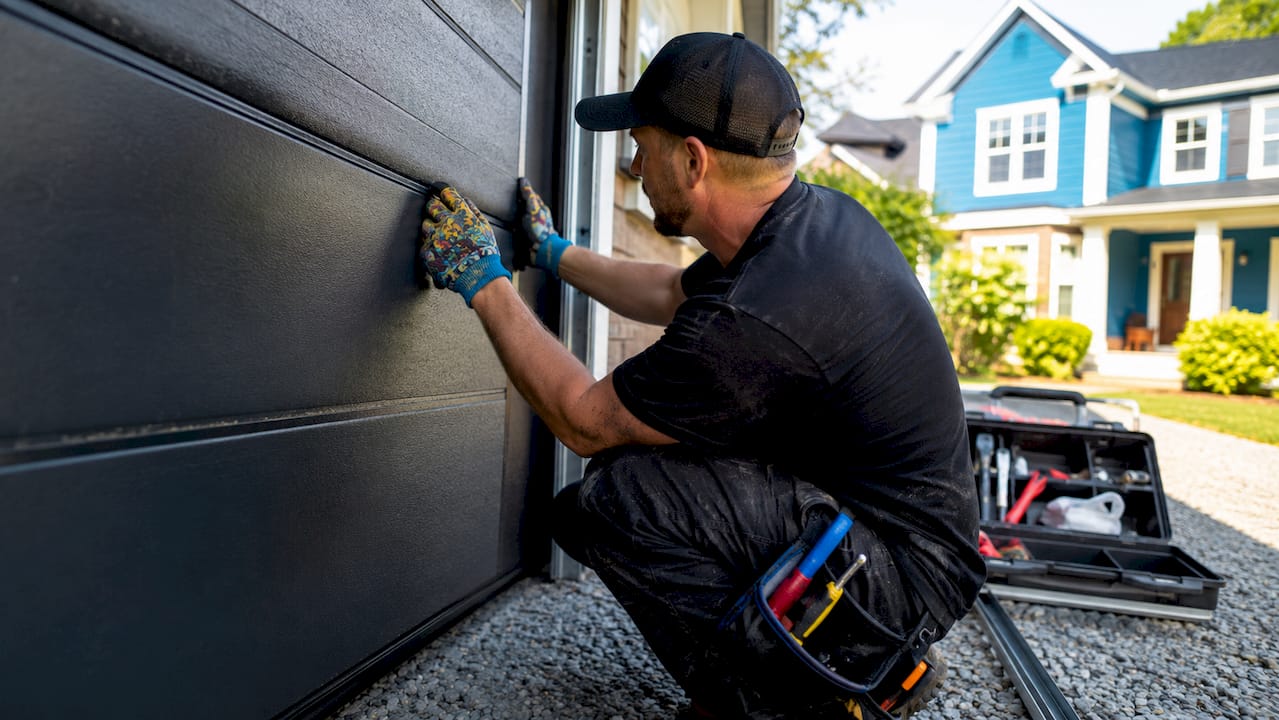
The reason this project performs so well is straightforward. A garage door covers a large portion of your home’s front facade, and buyers form their first impression before they step inside. An updated door signals a well-maintained property, which raises offer prices even when interior finishes are dated. Steel and carriage-style doors are the most popular choices in 2026, offering durability without premium pricing.
Pro Tip: Choose a garage door style that matches your home’s architectural period. A craftsman door on a colonial-style home creates visual friction that buyers notice, even if they cannot articulate why.
3. Steel entry door replacement
A new steel entry door delivers an ROI of 180% to 216% at an average cost of roughly $2,214, making it one of the most cost-effective single upgrades on this list. The project costs less than most interior refreshes and communicates two things buyers care about immediately: security and low maintenance.
Steel doors resist warping, denting, and weather damage far better than wood alternatives. They also accept paint well, so you can match your home’s color scheme without custom ordering. For a sub-$2,500 investment, few projects deliver a stronger signal to buyers that the home has been cared for.
4. Manufactured stone veneer
Manufactured stone veneer applied to a home’s exterior facade returns 153% ROI, with an average project cost of $10,925 adding approximately $16,716 in resale value. That gap between cost and value is what makes this project exceptional. Stone veneer transforms a flat, unremarkable facade into a visually layered exterior that photographs well and attracts buyers online before they ever schedule a showing.
The material itself is lighter and less expensive than natural stone, but it reads as premium to buyers. Installation is less labor-intensive than full masonry, which keeps costs down and amplifies the fraction of costs converted into resale value. Focus application on the lower third of the facade or around the entry for maximum visual impact.
5. Minor kitchen remodel
A minor midrange kitchen remodel returns approximately 96% of its $27,492 average cost, making it the strongest interior renovation on this list. The key word is minor. This means painting or refacing existing cabinets, replacing hardware, swapping out a dated faucet, installing a new mid-grade countertop, and updating appliances with energy-efficient models.
Major upscale kitchen gut jobs, by contrast, recoup less than 50% of their massive upfront investment. A $100,000 kitchen renovation in a $350,000 neighborhood does not produce a $100,000 increase in sale price. Buyers in that price range have a ceiling on what they will pay, regardless of the finishes inside. The data consistently shows that restraint in the kitchen produces better returns than ambition.
Pro Tip: Painting cabinets in a neutral tone like Benjamin Moore’s Chantilly Lace or Sherwin-Williams’ Accessible Beige costs under $1,500 with professional labor and produces a near-complete visual transformation. Pair it with brushed nickel hardware and a new faucet for under $2,000 total.
For a deeper look at interior renovation steps, Manycolorswi outlines exactly what minor updates involve and how to sequence them effectively.
6. Midrange bathroom remodel
A midrange bathroom remodel delivers approximately 70% to 80% ROI and significantly improves buyer perception during walkthroughs. The goal is not a spa-level transformation. Replace the vanity, update the toilet, re-grout or replace tile, install a new light fixture, and add a frameless mirror. These changes cost between $10,000 and $20,000 depending on your market and produce a bathroom that feels current without triggering sticker shock.
Buyers use bathrooms as a proxy for overall home condition. A dated bathroom with original 1980s fixtures signals deferred maintenance throughout the house, even if everything else is updated. A clean, modern bathroom removes that objection entirely. Focus on the primary bathroom first, then the main guest bath if budget allows.
7. Wood deck addition
A wood deck addition returns approximately 75% to 95% ROI on an average investment of $17,615, while also expanding your home’s functional square footage. Buyers in most U.S. markets treat outdoor living space as a genuine extension of the home, not a bonus feature. A well-built deck photographs well, shows well, and gives buyers an immediate vision of how they will use the space.
Pressure-treated lumber remains the most cost-effective material for maximizing ROI. Composite decking costs more upfront and appeals to buyers who prioritize low maintenance, but the higher material cost compresses the return percentage. If your primary goal is resale value rather than personal enjoyment, pressure-treated wood with a fresh stain is the smarter financial choice.
8. Energy-efficient upgrades
Energy-efficient improvements, including new windows and HVAC heat pump systems, increase home value by 2% to 8% and appeal strongly to buyers who factor utility costs into their purchase decision. A 2% to 8% value increase on a $300,000 home translates to $6,000 to $24,000 in added value, which is meaningful for projects that also reduce your monthly energy bills while you still own the home.
Heat pump systems are particularly compelling in 2026 because they qualify for federal tax credits under current energy efficiency programs, reducing your net project cost. New double-pane windows improve comfort, reduce noise, and signal to buyers that the home’s envelope is tight and well-maintained. These upgrades work best as complements to the higher-ROI exterior and kitchen projects rather than standalone investments.
9. Fixing small defects before listing
Fixing small defects like leaky faucets, chipped paint, sticking doors, and cracked caulk costs very little but removes the buyer objections that kill deals or trigger low offers. A buyer who notices three minor defects during a walkthrough begins to wonder what larger problems are hidden. That doubt translates directly into lower offers or requests for repair credits.
This category of work is not glamorous, but it is the highest-leverage activity for homeowners with limited budgets. A $500 investment in minor repairs can protect tens of thousands in sale price by keeping buyers focused on the home’s strengths rather than its flaws. Manycolorswi covers this in detail in their guide on repairs before selling.
10. How to prioritize renovations before selling
The stop-threshold rule is the most practical framework for renovation planning: stop investing once projects fall below 80% expected ROI to avoid spending money that will not return at closing. Apply this rule by ranking your potential projects against the data above, then cutting the list at the 80% line.
Here is a practical sequencing approach:
Fix all small defects first. These cost the least and protect the most value.
Complete exterior upgrades next: garage door, entry door, stone veneer if applicable.
Execute minor kitchen and bathroom refreshes.
Add outdoor living improvements if budget and timeline allow.
Consider energy-efficient upgrades last, factoring in available tax credits.
If your listing timeline is short, skip structural changes entirely. Minor cosmetic refreshes and exterior improvements deliver the fastest visible impact with the least disruption. For a detailed sequencing plan, Manycolorswi’s guide on project sequencing walks through the logic step by step.
Pro Tip: Balance personal enjoyment with market appeal. If you plan to live in the home for five or more years before selling, energy-efficient upgrades and deck additions pay you back in lifestyle value long before they pay you back at closing.
Key takeaways
The renovation projects that add most home value are dominated by exterior upgrades, followed by minor interior refreshes and outdoor expansions, all evaluated against an 80% ROI stop-threshold.
Point | Details |
Exterior projects lead ROI | Garage doors, entry doors, and stone veneer return 150% to 194% ROI due to low labor complexity. |
Minor kitchen remodels beat major ones | A $27,492 minor remodel returns ~96% ROI; a major gut job returns less than 50%. |
Fix defects before renovating | Small repairs remove buyer objections and protect sale price at minimal cost. |
Use the 80% stop-threshold | Stop adding renovation projects once expected ROI falls below 80% to avoid net losses. |
Sequence matters | Complete exterior work first, then interior refreshes, then outdoor and energy upgrades. |
What I’ve learned after years of renovation work
Most homeowners I work with come in convinced that a luxury kitchen or a spa bathroom will be their ticket to a higher sale price. The data says otherwise, and so does my experience on the ground in Milwaukee and the surrounding market.
The homes that sell fastest and closest to asking price are almost never the ones with the most expensive interiors. They are the ones that look sharp from the street, feel clean and current inside, and have no obvious defects for buyers to fixate on. A $4,000 garage door and a freshly painted front door do more for your sale price than a $40,000 kitchen upgrade in most neighborhoods.
The mistake I see most often is over-investing in one room while neglecting the rest of the home. A buyer who walks through a stunning kitchen and then notices a cracked bathroom vanity, peeling paint in the hallway, and a squeaky front door does not think “great kitchen.” They think “what else is wrong?” Buyers evaluate homes holistically, and a single impressive room rarely compensates for visible neglect elsewhere.
My honest advice: spend the first third of your renovation budget on exterior curb appeal and small defect repairs. Spend the second third on a minor kitchen refresh and one bathroom update. Save the final third for whatever outdoor or energy improvements fit your timeline. That allocation consistently produces better outcomes than concentrating money in one area.
The renovation planning process works best when it starts with a clear-eyed look at what buyers in your specific market actually reward. Not what renovation TV shows celebrate. Not what your neighbor did. What the data shows buyers pay for in your zip code.
— Ricco
How Manycolorswi helps you get the most from your renovation budget

Manycolorswi brings hands-on renovation expertise to homeowners in Milwaukee who want to maximize their property’s value without overspending. The team at Many Colors understands which projects deliver real returns in the local market and which ones drain budgets without moving the needle on sale price. From painting and drywall to flooring and exterior improvements, Manycolorswi handles the high-ROI projects that buyers notice most. Every project is completed by a trained, motivated crew that takes pride in quality work. If you are planning to sell or simply want to increase your home’s market appeal, reach out to Manycolorswi to discuss a renovation plan built around your budget and timeline.
FAQ
What renovation adds the most home value?
Garage door replacement adds the most home value relative to cost, returning 194% ROI on an average investment of $4,302. It is the top-ranked project in 2026 cost-versus-value data.
Do kitchen remodels increase home value?
Minor kitchen remodels return approximately 96% ROI and reliably increase home value. Major upscale kitchen gut jobs return less than 50% of their cost, making them a poor investment for resale purposes.
Which renovations increase home value the fastest before selling?
Exterior upgrades like garage doors and entry door replacements, combined with small defect repairs, produce the fastest visible impact. These projects can be completed in days and immediately improve buyer perception during showings.
Is a deck addition worth it for resale value?
A wood deck addition returns approximately 75% to 95% ROI and expands functional living space, making it a strong investment in most U.S. markets. Pressure-treated lumber maximizes the return compared to higher-cost composite materials.
What is the 80% ROI stop-threshold rule?
The stop-threshold rule states that homeowners should stop adding renovation projects once the expected ROI falls below 80%. Projects below that threshold cost more than they return at closing, reducing your net proceeds from the sale.
Recommended
Comments