
What Is a Home Improvement Consultation?
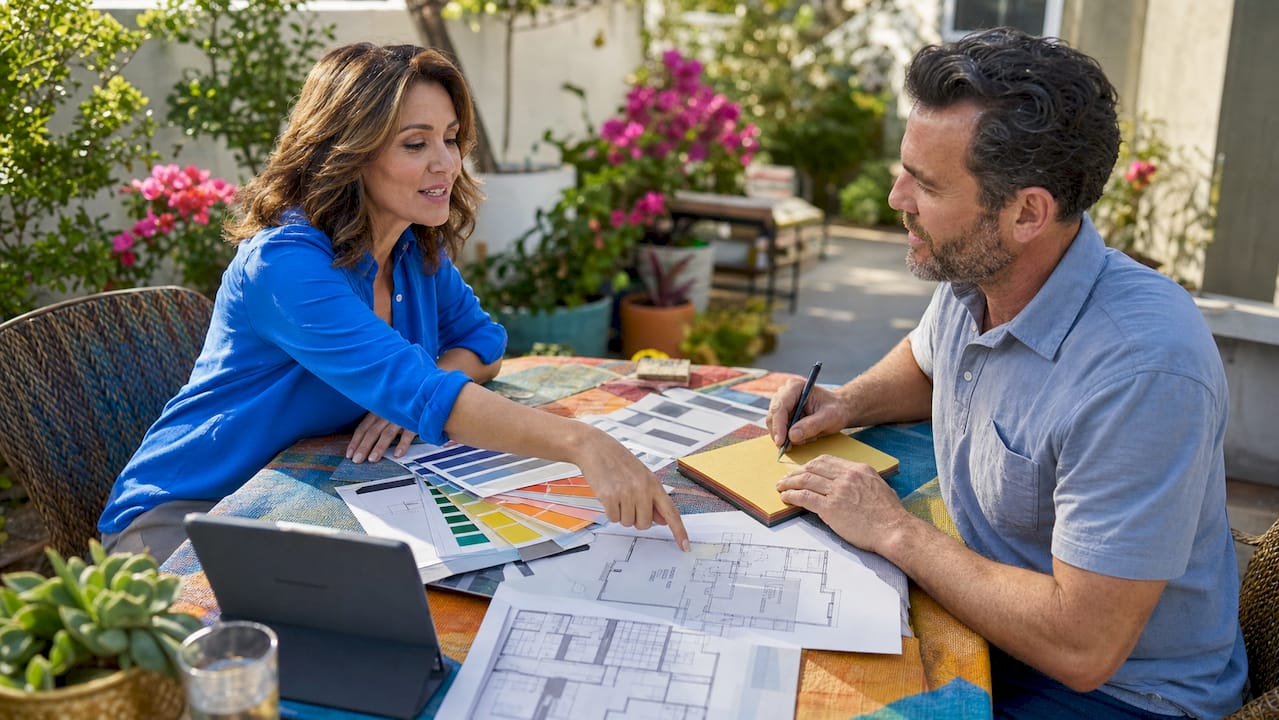
A home improvement consultation is a structured meeting between a homeowner and a remodeling professional focused on discussing renovation goals, project feasibility, and realistic constraints. This is not a sales call or a pricing session. It is a discovery meeting where your vision gets tested against real-world conditions like budget, structure, and zoning. Understanding what happens in this meeting, and how it differs from estimates and proposals, helps you get more out of every dollar you spend on renovation planning. Manycolorswi works with homeowners across Milwaukee to make this first step count.
What is a home improvement consultation, really?
A home improvement consultation differs from estimates and proposals by focusing on guidance, vision alignment, and understanding constraints rather than cost approximation or formal contracts. The industry term for this meeting is a feasibility consultation or initial design consultation, depending on whether you are working with a general contractor or a design-build firm. Both terms describe the same core purpose: aligning your goals with what is actually buildable.
Renovation consultations are not mere sales steps. They are foundational meetings to validate project scope against real-world constraints, which prevents wasted effort on ideas that cannot be built as imagined. A homeowner who skips this step often discovers structural problems, permit requirements, or budget gaps only after construction begins. That is a far more expensive place to find surprises.
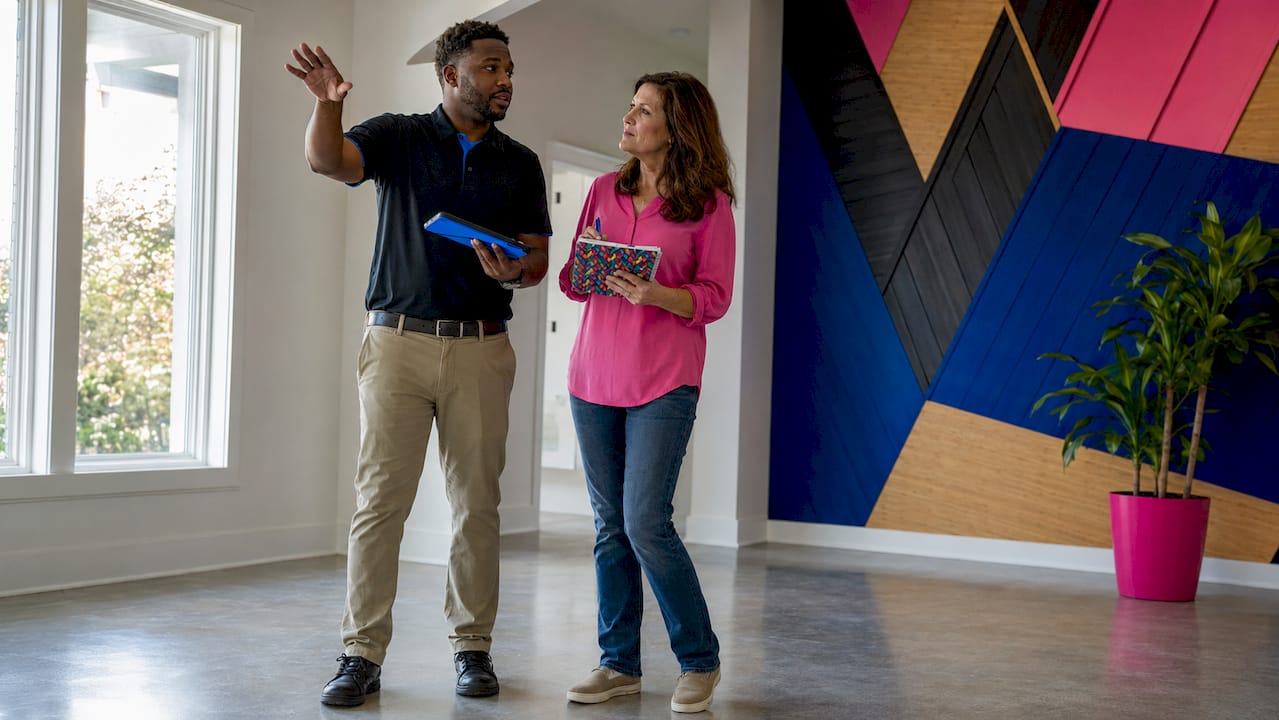
The consultation also sets the tone for your entire working relationship with a contractor. How they listen, what questions they ask, and whether they push back on unrealistic expectations tells you a great deal about how the project will run.
What happens during a home improvement consultation?
A feasibility consultation typically lasts 60–90 minutes and follows a clear agenda. Knowing what to expect helps you show up prepared and get the most from the meeting.
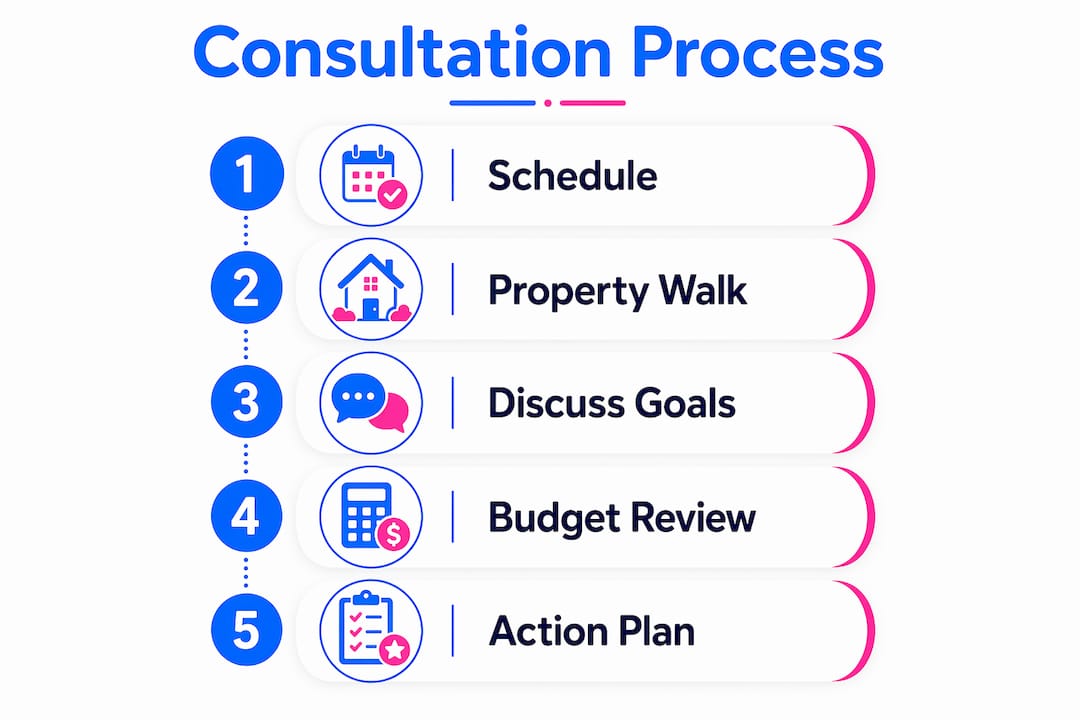
Here is the typical sequence:
Property walkthrough. The contractor walks your space to assess existing conditions, spot potential issues, and understand the physical constraints of the project. This is where hidden problems like aging pipes, outdated wiring, or load-bearing walls get flagged early.
Goals and vision discussion. You share what you want to achieve, how you use the space, and what matters most to you. Contractors use this to understand lifestyle details that directly affect design decisions and functionality.
Structural, zoning, and permit review. The contractor identifies any regulatory or structural constraints that could affect scope, timeline, or cost. Skipping this step is one of the most common causes of mid-project delays.
Budget and timeline guidance. You receive initial ballpark figures and a recommended contingency reserve of 10–20% to cover scope changes or unexpected issues. This is not a final quote. It is a reality check.
Next steps and decision milestones. A well-structured consultation concludes with design phases and decision deadlines explained clearly, so you know exactly what happens after you leave the room.
Many contractors also deliver a written summary within 48 hours of the meeting. That document outlines recommendations, open questions, and next steps, which significantly improves project clarity and your confidence as a homeowner.
Pro Tip: Ask for a written action plan at the end of every consultation. A contractor who provides one within 48 hours is signaling the level of organization you can expect throughout the entire project.
Consultation vs. estimate vs. proposal: what is the difference?
These three terms get used interchangeably, but they describe very different things. Mixing them up leads to mismatched expectations and frustrating conversations.
Document | Purpose | Binding? | Detail Level |
Consultation | Discovery, guidance, feasibility | No | Conceptual |
Estimate | Approximate cost range | No | Low to moderate |
Proposal | Full scope, timeline, costs, terms | Yes (when signed) | High |
The key distinctions are:
Consultation is a discovery and guidance meeting. No final pricing commitments are made. The goal is to understand whether your project is feasible and what it will generally require.
Estimate provides approximate costs but lacks detailed scope or contractual value. Two estimates for the same project can differ by 30% or more because contractors are making different assumptions about scope.
Proposal is a comprehensive written document that consolidates scope, timeline, costs, and terms. Contracts and proposals come after consultations and serve as formal agreements.
Homeowners should always insist on receiving comparable written proposals after consultations for accurate budget comparisons. Without matching scopes, you are comparing apples to oranges, and the lowest number rarely reflects the full cost.
What are the main benefits of a home improvement consultation?
The benefits of home improvement advice go well beyond getting a rough price. A good consultation changes how you think about your project before a single wall comes down.
Early issue detection saves real money. Consultations help uncover hidden issues like old pipes or outdated wiring before construction begins. Finding these problems during planning costs far less than discovering them mid-project when walls are already open and crews are on the clock.
Budget clarity prevents scope creep. Early budget discussions set realistic parameters that shape project feasibility from day one. When you know your real number upfront, including the contingency buffer, you make better decisions about what to include and what to defer.
Design gets tailored to how you actually live. Consultations reveal practical lifestyle details that affect design, countering the misconception that the first meeting is only about aesthetics. A contractor who knows you work from home, have three kids, or cook every night will design differently than one who just measures the room.
Trust gets built before money changes hands. Meeting your contractor in person, asking hard questions, and watching how they respond is the most reliable way to assess fit. No online review replaces a direct conversation about how decisions get made and how problems get handled.
Decision milestones get set early. Communicating decision deadlines and material lead times during the consultation is critical to preventing project delays caused by late selections. Tile, cabinetry, and fixtures often have 6–12 week lead times. Knowing this on day one changes your planning calendar entirely.
Pro Tip: Bring photos of spaces you love, even from unrelated projects. Showing a contractor what you respond to emotionally is often more useful than describing it in words.
How to prepare for a home improvement consultation
Preparation determines how much value you extract from the meeting. Contractors can only work with what you give them. Show up ready and the conversation moves faster and deeper.
Gather visual references. Collect photos, rough sketches, or links to inspiration from sources like Houzz or Pinterest. Sharing your vision visually removes ambiguity and gives the contractor something concrete to respond to.
Bring all key decision-makers. Having all stakeholders present at the consultation prevents delays caused by approvals that have to happen after the meeting. If your spouse, business partner, or property manager needs to sign off, they should be in the room.
Know your budget range. You do not need an exact number, but you need a realistic range. Factor in a 10–20% contingency reserve from the start. Telling a contractor you have “no idea” on budget wastes half the meeting on calibration.
Prepare specific questions. Ask about permits required for your project type, realistic timelines for your scope, contractor licensing and insurance, and how change orders are handled. These questions separate prepared homeowners from ones who get surprised later.
List your must-haves and lifestyle needs. Write down the features that are non-negotiable and the daily routines that the renovation must accommodate. This list becomes the filter for every design decision that follows.
You can also review what the interior renovation process typically involves before your meeting. Walking in with that context makes the conversation far more productive.
Key takeaways
A home improvement consultation is the single most important meeting in any renovation project because it aligns vision, budget, and feasibility before any money is committed.
Point | Details |
Consultation vs. estimate | A consultation focuses on discovery and guidance, not pricing commitments or formal contracts. |
Typical meeting length | Feasibility consultations run 60–90 minutes and cover walkthrough, budget, and next steps. |
Hidden issue detection | Early consultations surface problems like outdated wiring or pipes before construction begins. |
Preparation matters | Bring visuals, all decision-makers, and a realistic budget range with a 10–20% contingency buffer. |
Written follow-up | Request a written action plan within 48 hours to confirm recommendations and project milestones. |
What i have learned after years of running consultations
Most homeowners come into a consultation thinking it is about getting a number. The price question dominates the first ten minutes of almost every meeting I run. I understand why. Budgets are real and money is personal. But the most valuable thing that happens in a consultation has nothing to do with numbers.
What I have found is that the homeowners who get the most out of these meetings are the ones who come prepared to talk about how they live, not just what they want to build. A kitchen remodel looks completely different for a family that cooks together every night versus one that orders takeout five days a week. That detail changes cabinet layout, counter space, ventilation, and lighting. No price estimate captures that. Only a real conversation does.
The other thing I have seen consistently is that projects with the fewest surprises are the ones where every key decision-maker was present at the first meeting. When one spouse attends and the other does not, you almost always end up revisiting decisions that were already made. That costs time and sometimes money. Bring everyone who has a vote.
My honest recommendation is to treat the consultation as an interview, not a presentation. You are evaluating the contractor as much as they are evaluating your project. Ask how they handle problems when they come up. Ask for a reference from a project similar to yours. A contractor who answers those questions directly and without hesitation is one you can work with.
— Ricco
Start your renovation the right way with Manycolorswi
Manycolorswi brings the same structured, honest approach to every home improvement consultation we run in Milwaukee. Our team, built from individuals who know what it means to work hard for a second chance, shows up prepared, listens carefully, and gives you a clear picture of what your project actually requires.

Whether you are planning a full interior renovation, a flooring update, or a fresh coat of paint across your property, we start with a conversation that sets the project up for success. Visit Manycolorswi to schedule your consultation and get honest, experienced guidance from a team that takes your home as seriously as you do.
FAQ
What is a home improvement consultation?
A home improvement consultation is a structured meeting between a homeowner and a remodeling professional to discuss renovation goals, project feasibility, budget, and timeline. It focuses on discovery and guidance rather than final pricing or formal contracts.
How long does a home renovation consultation take?
A typical feasibility consultation runs 60–90 minutes and includes a property walkthrough, budget discussion, and a review of structural or permitting constraints.
Is a consultation the same as a free estimate?
No. An estimate provides an approximate cost range, while a consultation focuses on understanding your goals and assessing whether the project is feasible. Formal pricing comes in a written proposal after the consultation.
How should i prepare for my first consultation?
Bring photos or visual references, know your budget range with a 10–20% contingency buffer, and have all key decision-makers present. Prepare specific questions about permits, timelines, and how the contractor handles change orders.
What should i receive after a home design consultation?
You should receive a written summary within 48 hours outlining recommendations, open questions, and clear next steps including design phases and decision deadlines.
Recommended
Comments